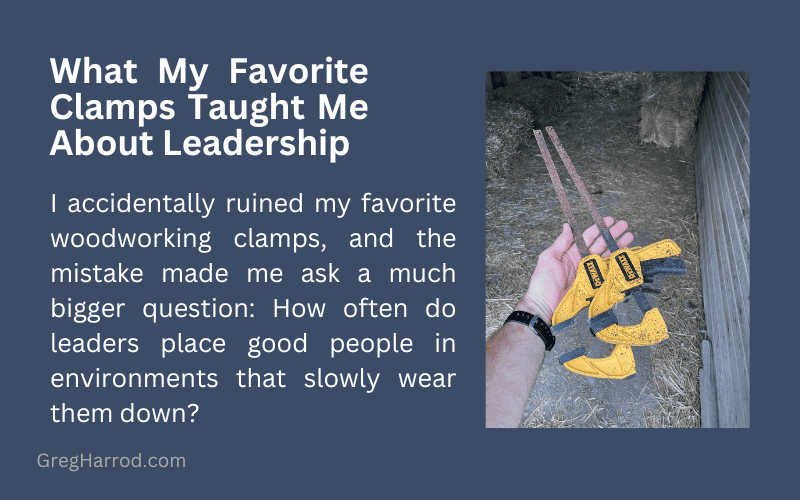
I should have known better.
It only took a couple of minutes of crying over my favorite clamps, which were now pitted with rust and corrosion, to realize what I’d done.
I’d put them in an environment that was going to destroy them. Not on purpose of course. But that’s what I did.
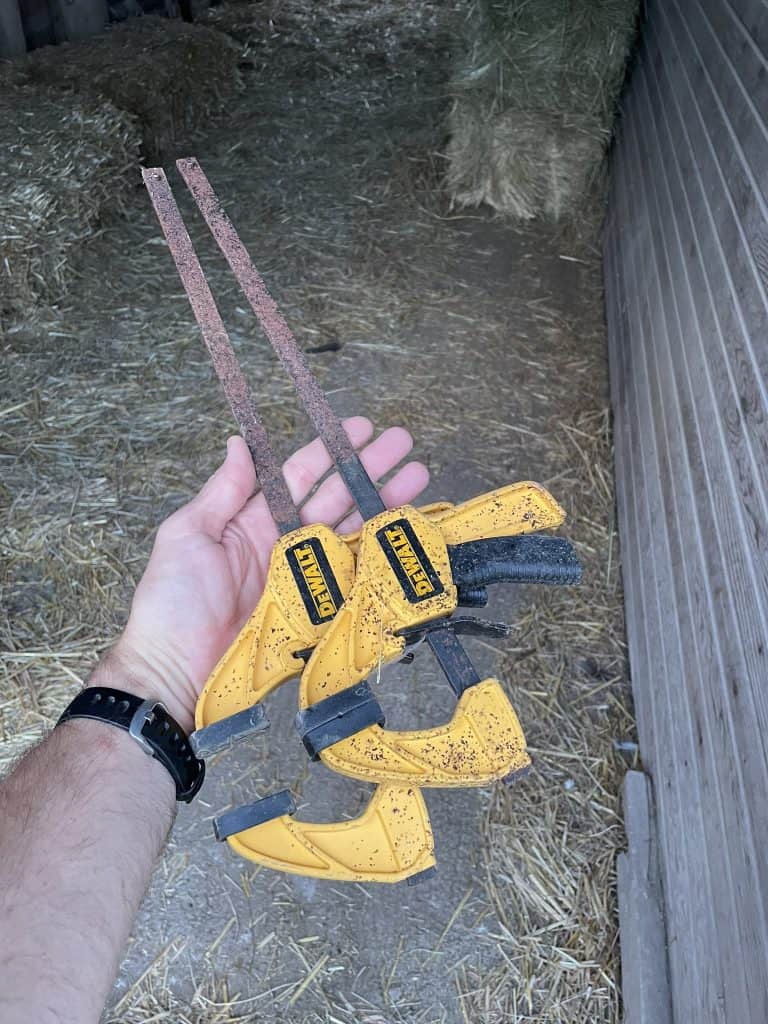
This got me thinking about how we can do the same thing to the people in our businesses if we’re not paying attention.
I’ll tell you why my previously awesome clamps look the way they do in a minute, but I’ll start with the leadership lesson I’m drawing from this goof I made.
I’m doing my best to make lemonade out of lemons here, folks. I really liked these clamps.
Here’s the question I asked myself:
How many times have I inadvertently put a team member in a situation that would hurt them?
I don’t mean I asked them to do something physically unsafe like remove a guard from a machine on the production line.
I’m thinking about giving them a work assignment that ate away at their energy level and their mental wellbeing over time. They were fine at first. Just like my clamps.
Then one sign that they weren’t doing well appeared, as did the first pit on the slider of my clamp. But I wasn’t checking in on them, so I didn’t see it.
Then another indicator that all was not well emerged and I missed it too.
Over time, they began to deteriorate, even though they were doing their job just as well as when they had started. Again, just like my clamps.
But they weren’t in the same condition as when they started the work and they certainly weren’t ready to begin a new assignment at the level of performance they were capable of.
They had been damaged because of the environment they were in.
I’ve seen this happen too many times. Sometimes I’ve been to blame, and sometimes other leaders are at fault.
It’s almost never malicious. But that doesn’t change the reality of the negative impact on the people.
Damaging environments can be the result of many different things.
A toxic culture that disregards the human aspect of work.
A project with unreasonable and unattainable expectations.
An employee whose unacceptable behavior should have been addressed years ago.
Leaders don’t mean to put their people into situations that will harm them, but it still happens.
So what can we do to avoid being that unaware leader?
Here’s what I should have done with my clamps and I think these tips apply to the people we lead too.
- Know how each person is designed.
I should have thought more about how the clamp was designed and the impact of using it as I did. For our team members, are they built to do the work we’re asking them to do in the environment we’re putting them in?
- Pay close attention to the environment.
I couldn’t see what was there, but, looking back, I should have known. For our team members, what factors are obvious and what’s going on below the surface? Some dynamics take more time to understand.
- Check in before there’s a problem.
I should have checked the condition of my clamps more often. They were doing the job I had assigned them to do. Out of sight. Out of mind. I had no idea their condition was steadily declining and they’d never be the same. Check in with your people regularly. Great performance isn’t necessarily a sign of a healthy employee.
Those are my leadership lessons I took away from my tragic clamp experience.
I expect many more come to mind for you. I’d love to hear them if you’re willing to share. Just hit reply and let me know what’s on your mind.
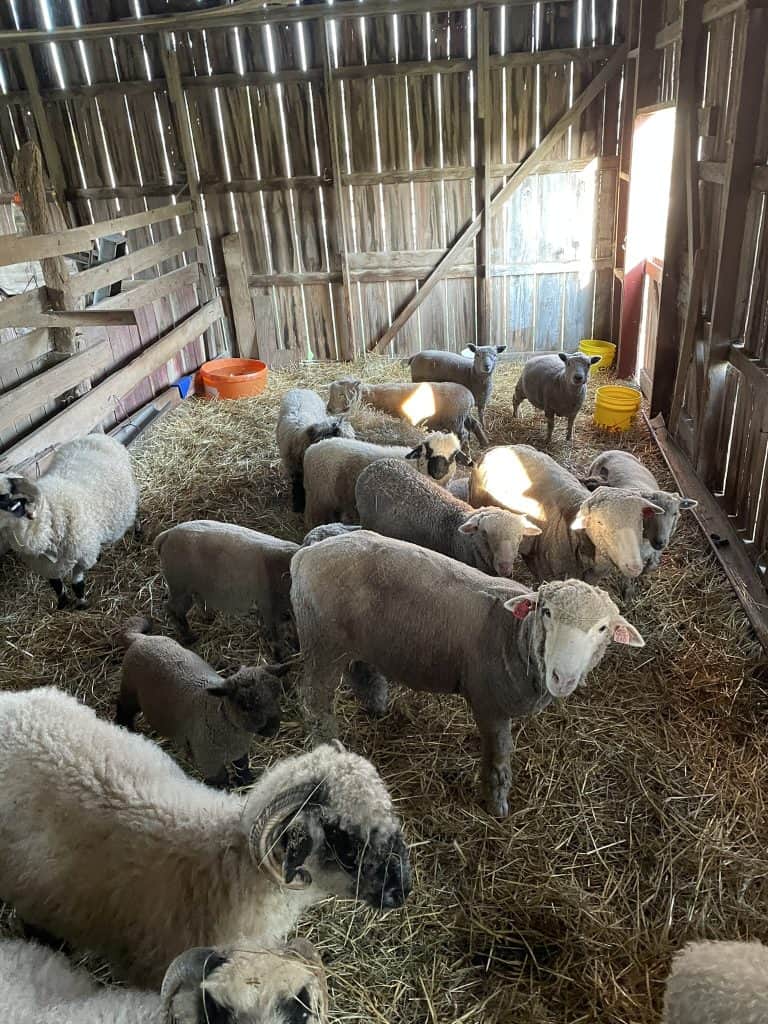
If you’re interested in the details of what caused the demise of my beloved clamps, I think the picture below will help you understand what happened.
A few months back, when it was 200 degrees below zero during lambing season, Kiersten and I were driving to the barn about every 90 minutes (not exaggerating). These two newbie shepherds didn’t want to lose any of our sheep mamas or our lambs and we were nervous. And that’s a huge understatement.
So, I went to T-mobile and bought a home (barn) internet device that connects to the cell tower that’s spitting distance from the barn.
We already had two Wi-Fi cameras that we used to watch the doggos steal food off the kitchen counter while we were gone.
I connected them up with no issues. Then I rummaged around the scrap wood pile, mounted the cameras on some pieces of old siding, and clamped them to the barn rafters.
With my favorite Dewalt clamps…
Because they were right there and they got the job done.
Did I think about what was directly below the clamps and what those sheep were whizzing into the straw and filling the air with a gazillion times every day and night?
No. No I did not.
But I did the other night when I was on the ladder moving the cameras.
Sheep pee and woodworking tools are not a good combination.
Neither are good people and the wrong environment.
Helping you lead with clarity and confidence,
Greg
If you’d like to see any of my previous newsletter issues, you can find them here along with other articles. And, if you’re not getting my weekly newsletter and would like to, just enter your info here.

Greg Harrod
Greg Harrod is a Business Coach and Strategic Communications Partner. Follow GregHarrod.com to learn how you can build clear communication, aligned teams, and simple rhythms so your business runs smoothly. Greg will help you learn how to go from daily firefighting to calm, confident leadership by sharing his 30+ years of experience leading teams and businesses.
A quick note about affiliates
Some of the pages on my website contain affiliate links to products, apps, and services. If you click through and purchase, I may receive a commission on the sale and you pay no more. My policy is to only affiliate with products and services that I believe will provide value to you.