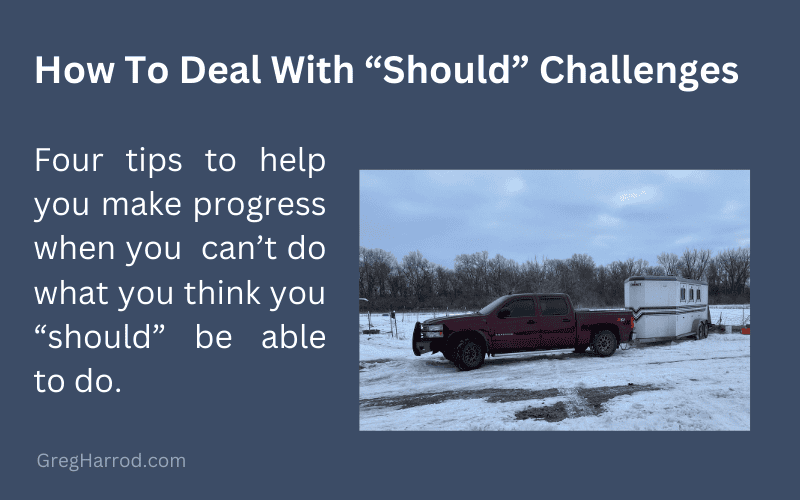
“Good grief, you SHOULD be able to do this, Greg!”
That’s what I was saying (actually, more like yelling) to myself in my head last week.
In a moment, I’ll share more about my most recent “should” challenge and what I did to get past it, but I’m curious if you also deal with this.
Are there things that you feel like you “should” be able to do but can’t?
Does the expectation you place on yourself come from things like?
- Your age
- Your gender
- Your education
- Your role or title
- Your experience
- Your background
- Your time with the company
Maybe the story you tell yourself sounds something like this,
“I’ve grown up in this business and have been working here for 15 years now. I’m the VP of Operations for crying out loud. I SHOULD be able to get my team aligned and clear on what we need to do to hit our profit targets this year.”
Or possibly,
“With an MBA, two decades of experience, and CEO after my name, I really SHOULD have the confidence to stand in front of our team and inspire them with a motivating talk without my knees shaking.”
If reading that felt uncomfortably familiar, my negative self-talk may have been a familiar voice to you.
Based on what clients and coworkers have shared with me over the years, we’re not alone.
“Should” is a dangerous and destructive word in our vocabulary.
But it can’t simply be ignored when it enters our internal conversations because for leaders who set high standards for themselves and their teams, it’s there in our thoughts and internal conversations. So, we need to learn how to deal with our “should” challenges.
I faced this myself last week.
My “should” challenge wasn’t in my business coaching work, but from another business my wife and I are building.
This particular difficulty I was facing was much like I’ve seen many, many times in the decades I’ve spent working with manufacturing and operations leaders.
The “Should” Challenge I Was Dealing With
Kiersten and I had something important that needed to be done and I couldn’t do it.
At least not with the level of skill and confidence I thought I should have.
Honestly, this task was intimidating me and causing me no small amount of mental and physical stress.
Because I kept telling myself that this should be easy for me.
All I needed to do was pull a livestock trailer with a pickup from Kansas to Illinois and back to pick up our sheep.
And I needed to be able to back that trailer up, without “putting a dent in my tailgate” to quote my big brother.
(I had to borrow his four-wheel drive truck because there was no way my two-wheel drive truck would get through the snow waiting for us in Illinois.)
Depending on your life experience, you may be thinking one of two things:
Option A: Pulling and backing a trailer is easy. I’ve been doing it since I was a kid.
Option B: I have absolutely no idea how this seemingly impossible task is done.
I selected a third option.
Option C: Pulling and backing a trailer is easy. I know how it’s done. And I should be able to do it.
Why?
Because I grew up in a family business that has more trailers than I can count and I’ve operated the equipment that is hauled on those trailers since I was a kid.
But, for some reason, I never developed my trailer handling skills.
I will admit that it’s possible that it has something to do with the time I didn’t get the hitch fully latched on the trailer my aforementioned big brother was getting ready to load.
I can still remember watching the front of the trailer shoot into the air as soon as he started to drive the backhoe up the ramps.
And I also remember not wanting him to get out of that cab to come give me some constructive criticism of my work.
That very well may have been the end of any of my work assignments related to trailers and my learning about how to use them.
That incident happened a long time ago but the negative impact on my self-confidence when using trailers is still there.
That presented a problem for me last week.
Our sheep needed to be moved, so I knew I had to get through this “should” challenge inside of me.
So here’s what I did. I’m sharing my approach because I’m confident it will work for you if you find yourself dealing with a similar struggle.
4 Steps I Took to Deal with My “Should” Challenge
The first step I suggest for getting past a “should” block is to acknowledge what is actually true. In other words, reality.
1. Acknowledge Reality
What I wanted to be true was irrelevant. What WAS true was all that mattered.
I heard this quote early in my career when a project I was leading was facing major challenges and I had to report the bad news to our senior leadership team.
“The truth does not change according to our ability to stomach it emotionally.”
Flannery O’Connor
These words gave me comfort and confidence then and they still do today.
In my livestock trailer example, here’s what was true.
- I had very little experience with trailers
- Pulling and backing trailers aren’t simple tasks
- My timeline didn’t allow me to get extensive training or experience
All the factors that were causing me to tell myself that I “should” be able to confidently connect, pull, and back this trailer didn’t matter.
What mattered was what was true right now.
I am not very good at anything to do with trailers and I am especially bad at backing them.
This was the reality I had to deal with at this point in time.
What’s the reality of the situation you’re in that’s causing you to feel like you “should” be able to do something?
Take a moment to assess what is actually true, even if it’s not what you want it to be.
Now you know what you’re really dealing with.
The approach you take in dealing with your reality is the choice you get to make.
2. Be Kind and Gentle. Give Yourself Grace and Patience.
When you’ve assessed the reality of your situation and you’re feeling all the negative emotions that go with the “should” you’re up against, I encourage you to ask yourself this question:
How would you treat a person on your team if they were in your spot?
Because you care for your team members and want them to not only deliver results for the business but also be emotionally mature and healthy human beings, I suspect you would treat them with
- Grace
- Patience
- Kindness
- Gentleness
Even though these words aren’t commonly used in business leadership conversations, they likely capture how you treat your people.
You avoid the dangerous path of letting “should” turn into shame. Because you know shame will never bring about the outcomes you’re looking for your teams to deliver in the long run.
That’s good leadership based on extensive research done by Brene Brown, an expert on courage, vulnerability, shame, and empathy.
If you’re not familiar with Dr. Brown, I highly encourage you to explore her website. Her book, Daring Greatly, is one of my favorites.
While I do my best to apply this with my teams too, I have to admit that I don’t do as well in using this approach with myself.
But with the support of my encouraging wife, Kiersten, I’m getting better in this area.
She gently reminds me to take care of the person she loves, including how I talk to myself.
This is good advice for me to hear, and I suspect it may be encouraging to you as well.
So it’s important to ask ourselves these harder questions:
Do we treat ourselves as we treat the people on our team?
If someone were talking to one of your people like you’re talking to yourself, would you tolerate it?
I suspect you wouldn’t because you would protect them from overly harsh and disrespectful treatment.
So, when you find yourself facing a “should” challenge, be kind and gentle and give yourself some grace and patience.
You may feel less than courageous.
Maybe even a little scared, like I did.
But I encourage you to not let your fear paralyze you.
Take some action.
3. Take Action Even When You’re Scared
Susan David, author of the book Emotional Agility, describes courage this way.
“Courage is fear walking.”
Susan David
Being a leader requires courage.
When something has to be done, like moving sheep, and you’re the leader, you have to act.
Even when your insecurity and self-doubt make you want to crawl in a hole and hide.
The very first step I take when I’m feeling like this is to pray.
If that’s aligned with your worldview, I encourage you to do the same.
The next action you can take is to do research and get wise counsel from those with more experience.
You mitigate risks, and reduce the emotional fear associated with them, by gathering data and creating plans to address the problems you anticipate.
For me, it was talking to my brother and nephew who use trailers in their businesses every day.
I asked experienced livestock owners lots of questions.
I contacted people who had much more expertise in this area to share what they knew with me. They graciously helped me learn and gain confidence.
These first actions began to reduce my fear.
Another action I recommend is to identify the parts of the work that you DO have confidence doing.
When we’re facing a task that discouraging us because we feel like we “should” be able to do it, we tend to view the work as one gigantic, impossible step.
Almost always, however, there are small steps or sub-tasks that we are fully capable of doing with some degree of confidence.
In my livestock trailer dilemma, I broke down the work and realized I wasn’t all that worried about many of the tasks involved.
These were things I had done and could do safely and confidently (despite still being a bit nervous and cautious) even though I wasn’t yet a seasoned pro.
Connecting the trailer to the truck
I’d learned my lesson with the backhoe trailer and could manage the ball hitch, wiring, and safety chains.
And, I had my brother to check it before I left town.
Pulling the trailer on the road
Memories of pulling even heavier trailers through Dallas Fort Worth and Oklahoma City traffic multiple times reassured me that I could manage the Kansas City and St. Louis segments of this trip without any problem.
Breaking the big overwhelming tasks into sub-tasks helped me realize what I was really afraid of, backing the trailer.
Now that I had the primary driver of my insecurity identified, I knew where to focus my effort.
What I did next may sound like a cop out and something I wouldn’t typically suggest, but I still recommend it.
I’ll explain what I mean but first take a moment to pause and think about the work that you feel like you “should” be able to do.
Who might you talk with and learn from their experience?
What parts of the intimidating work in front of you do you already know how to do?
With that in mind, let me encourage you with another suggestion I hope eases your mind a little.
4. Do What You Can Do. Avoid What You Can’t Do (Yet).
When you feel like you “should” be able to do something that needs to be done and you can realistically only do part of the work, consider if you can avoid the part of the work you can’t do.
That may sound like a quitter’s attitude or cheating.
Like you’re giving in and not stepping up to the challenge.
I prefer to view it as a practical approach to solving a problem.
Once it became clear to me that backing the livestock trailer was what I was really afraid of, I evaluated the situation and asked myself one of my favorite questions;
What would this look like if it was easy?
The answer seemed obvious.
This trip would be easy if I could make this 1100 mile round trip without ever having to back up the trailer.
Suddenly, this problem became solvable!
Even though I felt like I “should” be able to back the livestock trailer wherever it needed to go and without denting my brother’s tailgate, I might not have to.
So I got busy planning the trip.
- I called my wife’s son and confirmed I could load the sheep and make it around the circular drive with a trailer this big.
“Not a problem” he said. Check! - Were there truck stops with space to pull through and fuel up?
If I pay attention, this won’t be a problem. - How are we going to manage the hotel parking lot?
We’ll disconnect the trailer at the farm overnight. That part of managing a trailer I know how to do. - Can I back up the trailer if I have to?
Yes. I’m super slow but I can do it, especially with help.
After this prep work was done, my “should” challenge seemed much more manageable.
This doesn’t mean that I don’t want and need to improve in this area.
I still want to be the expert trailer backer I feel like I “should” be.
With a lot of practice that will come.
But I could still do the work that needed to be done with the skills that I had right now.
In your “should” situation, what work can you avoid for now so you can keep making progress?
You may be wondering how my “no backing” plan turned out.
The Results of Getting Through My “Should”
By following this process to get past the “should” that was intimidating me (and by God’s grace!) here’s how last week turned out.
We pulled that livestock trailer 1100 miles from Kansas to Illinois and back carrying 13 sheep including 3 newborn lambs without damaging any equipment, including my brother’s tailgate.
And, I only had to back the trailer a total of about 20 feet!
I still want to be better at managing trailers, especially backing them, so I have a lot of practicing to do.
But we accomplished the work that needed to be done for now.
What about you?
How Can You Deal with the “Should” Challenge You’re Facing
As you’ve been reading, I hope the questions I’ve asked have prompted your thinking about how to manage the challenges that come with the “should” feelings you’re facing as a leader.
And I hope these steps that worked well for me have encouraged you and will help you make progress if you’re feeling stuck.
You’ve probably got your own tips for how to get past feelings of what you “should” be able to do.
I’d love to hear them if you’re willing to share.
Helping you lead with clarity and confidence,
Greg
P.S. Last week on LinkedIn I talked about
5 Good Questions To Help People Move Forward
The Myth that Work Can’t be Enjoyable
The Meaning of the Word “Build”
If we’re not already connected on LinkedIn, just reply to this email with the word “LinkedIn” and I’ll send you a connection request to save you some time.
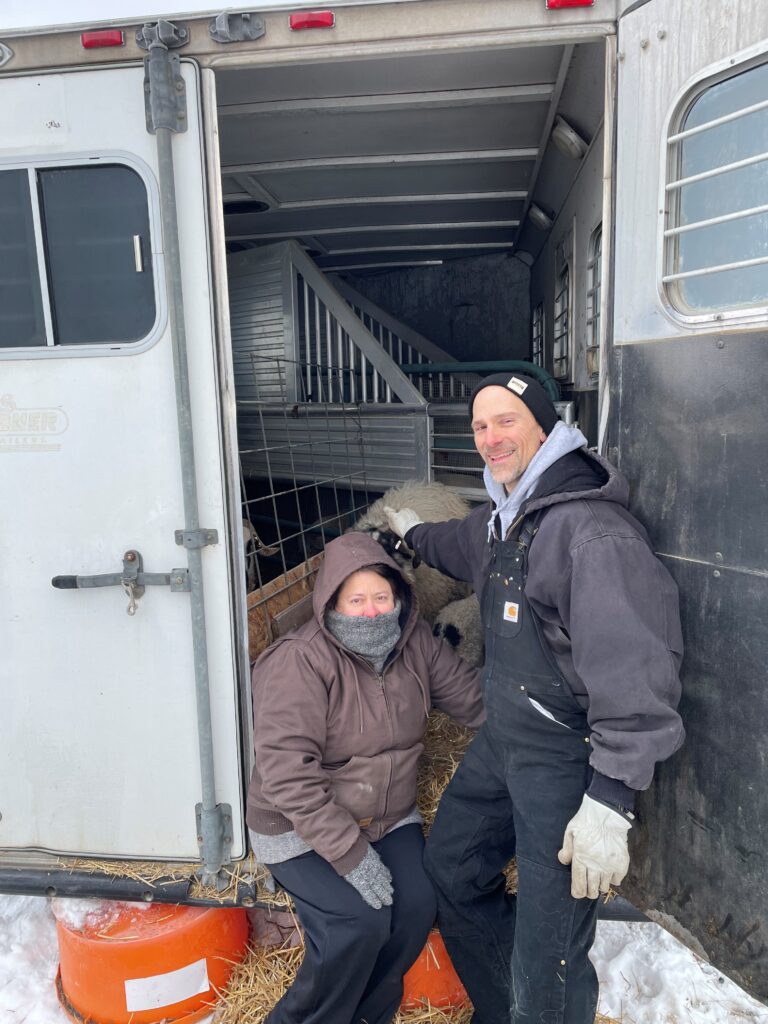
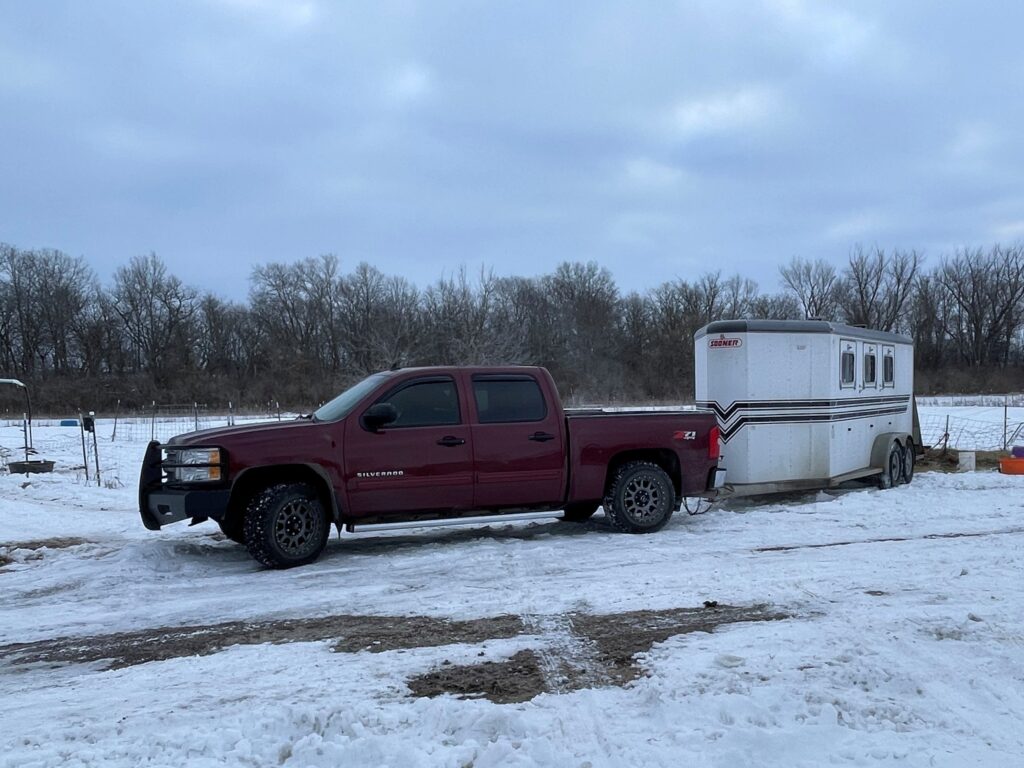
P.P.S Here are a few photos from our trip. And you can’t see it but trust me. I didn’t put any dents in my brother’s tailgate!

If you’d like to see any of my previous newsletter issues, you can find them here along with other articles. And, if you’re not getting my weekly newsletter and would like to, just enter your info here.

Greg Harrod
Greg Harrod is a Business Coach and Strategic Communications Partner. Follow GregHarrod.com to learn how you can build clear communication, aligned teams, and simple rhythms so your business runs smoothly. Greg will help you learn how to go from daily firefighting to calm, confident leadership by sharing his 30+ years of experience leading teams and businesses.
A quick note about affiliates
Some of the pages on my website contain affiliate links to products, apps, and services. If you click through and purchase, I may receive a commission on the sale and you pay no more. My policy is to only affiliate with products and services that I believe will provide value to you.